

Instructor: Gahl Sela
Highlights of Course
- Evidence-informed theory
- Detailed anatomical learning
- Supervised hands-on training
- Clinical reasoning and patient safety
- Practical competency exam
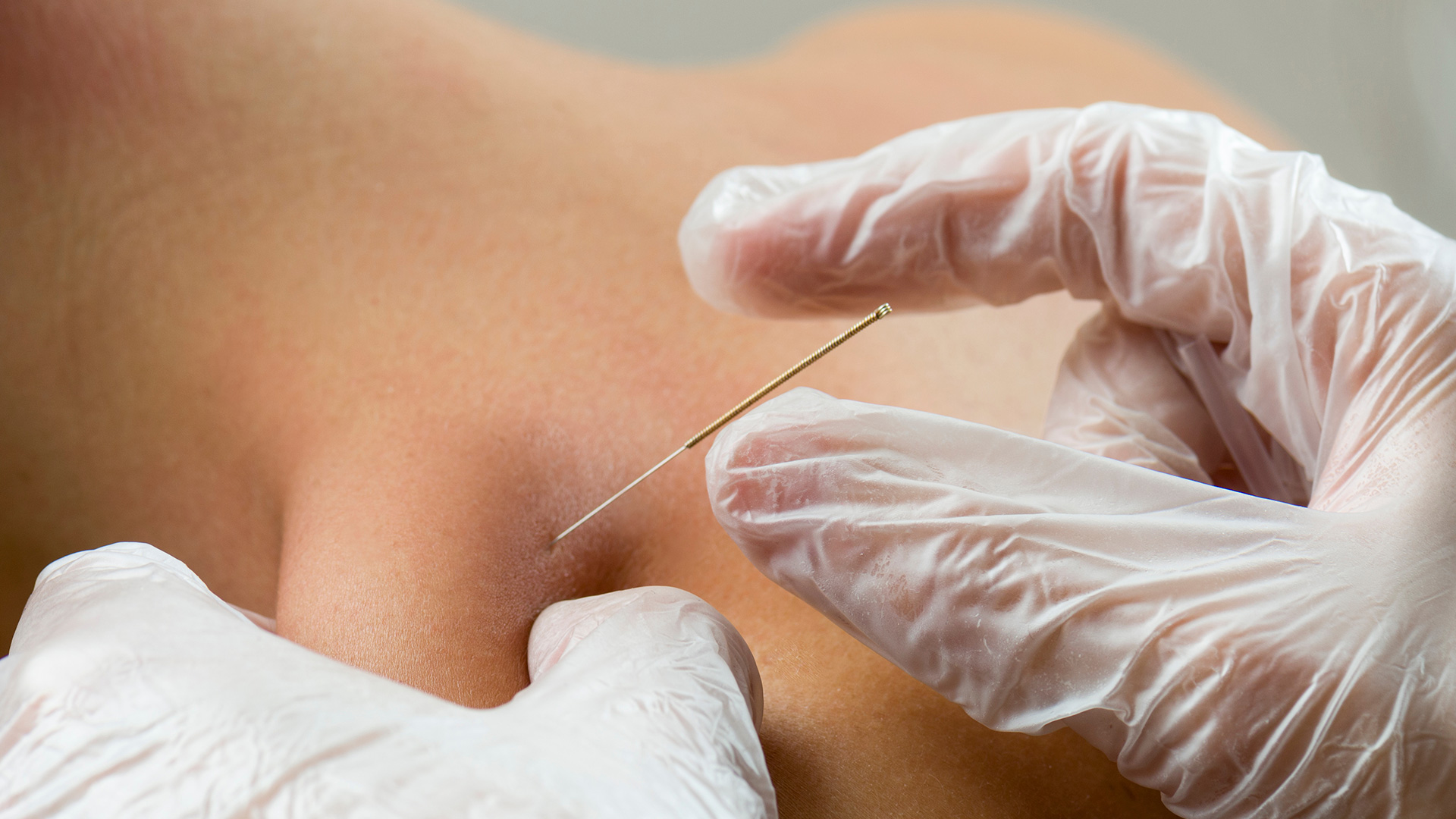
Dry Needling for Pelvic Floor Physiotherapists
Take your pelvic floor physiotherapy practice to the next level.
Integrate dry needling into your clinical practice and expand your treatment options for patients presenting with pelvic floor-related musculoskeletal pain and dysfunction.
This specialised postgraduate course combines evidence-informed theory, detailed anatomical learning and practical, hands-on training to equip pelvic floor physiotherapists with the knowledge and technical skills required to apply dry needling safely and effectively.
Develop your confidence, refine your clinical reasoning and explore the role of dry needling within a comprehensive, biopsychosocial approach to pelvic floor rehabilitation.
WHY ATTEND THIS COURSE?
Dry needling is an increasingly recognised treatment modality in the management of musculoskeletal pain and dysfunction. Its application in the pelvic floor rehabilitation setting offers physiotherapists an additional treatment approach to consider when managing patients with complex musculoskeletal presentations.
This course has been specifically developed for physiotherapists with postgraduate training in pelvic floor rehabilitation who wish to expand their clinical skills and integrate dry needling into their treatment approach.
Rather than focusing solely on needling techniques, the course emphasises the importance of anatomical knowledge, accurate technique, clinical reasoning and patient safety.
What you can expect:
Develop the theoretical foundation required for safe and effective dry needling.
Improve your anatomical knowledge and understanding of relevant structures.
Develop practical dry needling skills through supervised demonstrations and hands-on sessions.
Explore the application of dry needling in pelvic floor-related musculoskeletal pain and dysfunction.
Strengthen your clinical reasoning and decision-making.
Integrate dry needling into a biopsychosocial approach to patient management.
COURSE CONTENT & LEARNING EXPERIENCE
The course combines three key components:
1. Theoretical Foundation
Develop an understanding of dry needling principles, its clinical applications and the evidence underpinning its use in musculoskeletal pain and dysfunction.
2. Anatomy & Practical Skills
Build the anatomical knowledge and technical skills required to perform dry needling accurately and safely in regions associated with the pelvic floor.
Practical training includes:
Lecturer-led demonstrations of each technique.
Supervised hands-on practice in pairs.
Video demonstrations to support technique development.
Close guidance from the lecturer.
3. Clinical Application & Reasoning
Move beyond technique and explore how dry needling can be incorporated into clinical practice.
Participants will work through written clinical cases in small groups and take part in simulated patient scenarios, demonstrating how dry needling can be integrated into patient management.
Clinical reasoning, safety and treatment effectiveness are discussed and reviewed throughout these sessions.
Course Format
The programme combines pre-course self-study with an intensive practical training component.
Pre-course preparation: Pre-course material consisting of 4 academic articles with MCQ’s to be completed successfully 1 week before the course commences
Teaching format: Two days of In-Person learning consisting of interactive lectures, demonstrations, video instruction and supervised practical sessions.
Clinical application: Small-group case studies and simulated patient scenarios.
Practical Competency Exam: This course includes a practical competency exam at the end of the final day
LEARNING OUTCOMES
On successful completion of the course, participants will have developed the knowledge and practical skills required to:
Understand the theoretical principles underpinning dry needling.
Identify and apply relevant anatomical knowledge when planning dry needling interventions.
Perform dry needling techniques with appropriate attention to accuracy and safety.
Consider the role of dry needling in managing musculoskeletal pain and dysfunction associated with the pelvic floor.
Apply clinical reasoning when selecting and integrating dry needling into patient management.
Incorporate dry needling within a comprehensive biopsychosocial treatment approach.
WHO SHOULD ATTEND?
This course is designed specifically for qualified physiotherapists who have completed postgraduate training in pelvic floor rehabilitation and wish to incorporate dry needling into their clinical practice.
ENTRY REQUIREMENTS
Participants must have:
A Bachelor's degree in Physiotherapy.
Current professional physiotherapy registration with the HPCSA.
Completed a recognised postgraduate training course in pelvic floor treatment.
Current professional malpractice insurance.
A willingness to participate fully in all practical sessions.
IMPORTANT PRACTICAL REQUIREMENT
All participants are required to act as a model during the course and will be needled by fellow participants as part of the practical training.
Please ensure that you are comfortable with this requirement before registering.
ATTEND THIS COURSE!
Expand your vast pool of knowledge by learning new key concepts and trends.
For anymore information please do not hesitate to contact us on info@edu-works.co.za